Microchipping has become one of the most effective and reliable methods for identifying pets and reuniting them with their owners if they go missing. Whether you own a dog, cat, or another type of companion animal, implanting a pet microchip is a smart, simple step that significantly increases the chances of a lost pet being returned home.
A pet microchip is a tiny electronic device, about the size of a grain of rice, that is inserted under your pet’s skin, typically between the shoulder blades. This chip contains a unique identification number that can be read by a microchip scanner. The number is then matched to the owner’s contact information stored in an animal chip database.
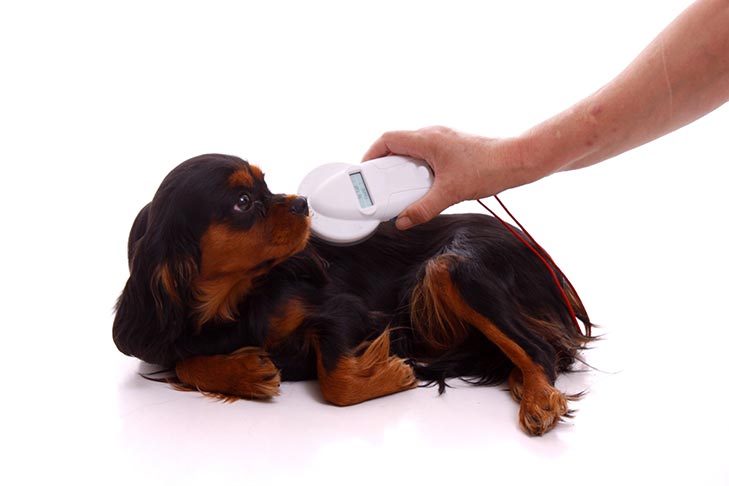
Unlike collars and ID tags, which can fall off or be removed, a microchip is a permanent form of identification. It does not rely on batteries or need to be replaced over time. This makes it one of the most dependable tools for pet identification available today. However, it is essential for pet owners to ensure their contact details in the animal chip database are kept up to date. Without current information, the chip’s benefits are greatly reduced.
Dog microchips are the most commonly used due to the high number of stray and lost dogs that end up in shelters. When a dog is found, veterinarians or shelter staff can scan for a chip, retrieve the ID number, and contact the owner through the database. This quick process often prevents unnecessary stays in shelters and helps reduce the number of unclaimed animals.
But it’s not just dogs that benefit. Cat microchips are just as vital. Cats are naturally curious and can easily wander far from home. Many owners do not place collars on their cats, which makes microchipping even more important for identification. In fact, microchipped cats are significantly more likely to be returned to their owners than those without any form of identification.
The procedure to implant a microchip is quick, safe, and virtually painless. It can be done during a routine visit to the vet and requires no anesthesia. Once implanted, the microchip remains in place and rarely causes any issues.
The information stored in the animal chip database is only accessible through a secure system, ensuring your privacy is protected. Most countries have multiple databases, so it’s important to register your chip with a reputable service and verify your details periodically.
In conclusion, microchipping is a low-cost, high-reward investment in your pet’s safety. Whether it’s a dog microchip, cat microchip, or another form of pet microchip, this technology greatly increases the chances of a lost animal being safely returned to their family. Don’t leave it to chance—microchip your pets and keep their information current in the animal chip database for true peace of mind.
Leave a Reply